

Can Chlorine Bombs Be Created From Household Cleaning Products
Clorox Can't Clean a Offense Scene
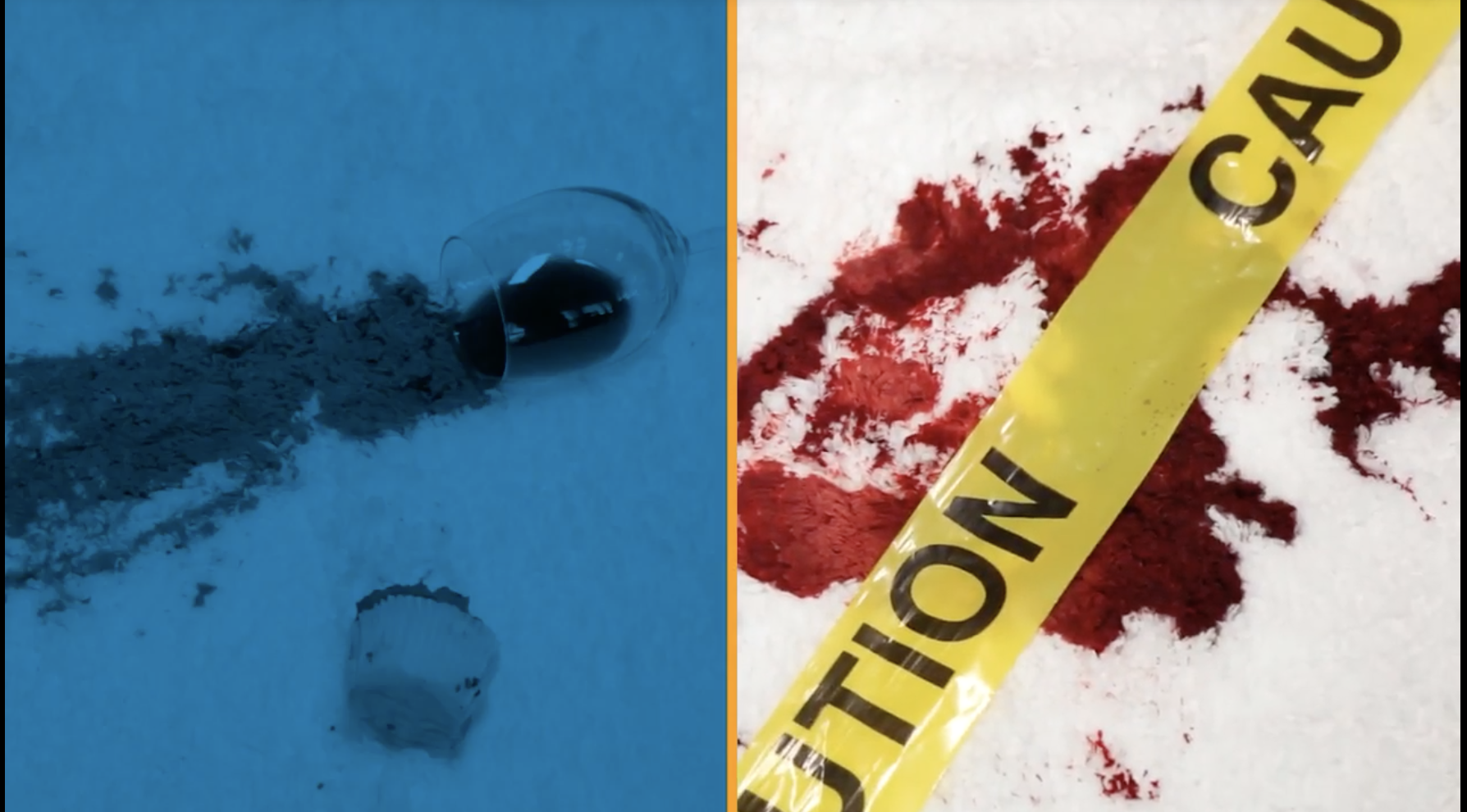
While everyone may know Clorox as their favorite habitation cleaning agent, nosotros were shocked to hear they decided to add crime scene cleanup to their list of uses. Equally the nation'south premier offense scene clean up company, we can say with say-so that bleach is not the recommended cleaning agent, not fifty-fifty close.
Why, you ask? 4 Reasons.
The elements that make bleach an constructive cleaner – it'southward readily available in different forms, it'south inexpensive, and it's versatile in uses like removing stains and disinfecting countertops – as well make it dangerous. As a Academy of Michigan scientist remarked: "Bleach is so very reactive and will react with cellular components equally presently as it hits the cells." Industrial bleach is an environmental toxin, capable of causing cancer and nascence defects. Even at standard household concentrations, bleach tin lead to worrisome symptoms. Side by side to medications, bleach is the about common cause of calls to Poison Command Centers.
So what is information technology about bleach that makes it so unsafe?
Depending on the mixture, bleach can produce dangerous gases
Phosgene gas, also known as mustard gas because of its color, is 1 of the about dangerous byproducts of bleach. It occurs when bleach comes into contact with ammonia. Ammonia is another common chemical used in cleaning; it is also a component of certain bodily fluids produced by the kidneys, including urine.
Here is a breakup of what is produced when ammonia compounds are mixed with bleach:
- HCl = hydrochloric acid
- Cl2 = chlorine gas
- NH2Cl = chloramine/phosgene
- NiiH4 = hydrazine
In add-on to phosgene, if hydrochloric acid contacts the skin, eyes, or internal organs, the damage can be irreversible or even fatal.
Bleach can besides atomic number 82 to eye and respiratory irritation when mixed with acids commonly present in other household cleaners, including vinegar and even some glass cleaners. In higher concentrations, the fumes produced from these combinations can be equally mortiferous.
Vapors can be harmful to the eyes and respiratory track
Have y'all ever felt ill subsequently inhaling also much bleach? Do you lot feel a tickle in your pharynx or nose when y'all clean with information technology? Fifty-fifty if used correctly, nose bleeds, neurological disorders, headaches, shortness of breath and chest pain, are merely a modest number of the potential side effects stemming from the use of bleach. Proper ventilation is necessary to avoid these weather. Lingering fumes tin also irritate asthma and other atmospheric condition long after cleanup is complete.
Pare contact with bleach tin can cause rashes and irritations
As anyone who has used bleach on laundry knows, bleach not but removes color only eats through fabrics and other materials. Bleach is a corrosive, which ways it has a damaging issue on whatsoever surface it touches. This also includes your skin. Called-for, itching, and redness are the most mutual reactions, but if left on likewise long, bleach tin lead to changes in paint and permanent tissue damage.
Contact with non-porous surfaces should be minimized equally well, as over time it tin can intermission down cellular structure. This farther complicates cleanup in heavily trafficked areas as bleach requires curing time to be effective as a cleaner.
Bleach is not effective for all pathogens
Opposite to pop belief, bleach does non kill all bacteria. Different types and concentrations of bleach may have different effectiveness ratings confronting certain forms of leaner – and the methods used to care for one type of pathogen may render the chemical ineffective in treating another.
Because it is highly reactive, chlorine bleach volition human action on whatever information technology comes in contact with get-go, whether clay or bacteria. If information technology encounters dirt first, it may exist rendered ineffective as a germicide.
Difficult h2o or extremely soiled surfaces also neutralize the chemical's disinfecting properties; surfaces must be cleaned in a particular fashion before existence treated with bleach.
Not So Easy After All
The Ecology Protection Agency (EPA) issues warnings and instructions governing the safe use and effectiveness of cleaning products brought into your abode. Balancing proper cure time with dilution ratios and prophylactic makes cleaning with bleach difficult at all-time – and unsafe at its worst. Thankfully, there are alternatives to cleaning the toughest jobs yourself. I way to manage the situation is to hire a professional biohazard cleaning company.
So the next time a commercial says to use bleach to "clean the toughest messes, including offense scenes," think twice. If a professional offense scene cleanup visitor doesn't use it, should you lot? For information on how to actually clean a crime scene, give u.s.a. a phone call.

Source: https://www.aftermath.com/blog/clorox-cant-clean-a-crime-scene/
Posted by: phillipshaten1980.blogspot.com
0 Response to "Can Chlorine Bombs Be Created From Household Cleaning Products"
Post a Comment